A fresh coat of paint on a broken engine
You paid a design agency $15,000 for a website redesign. It looks gorgeous. It has drone footage of your facility in the header. The fonts are sharp. The colors pop.
Six months later, the inquiry volume hasn’t budged an inch. Why?
Design is not structure
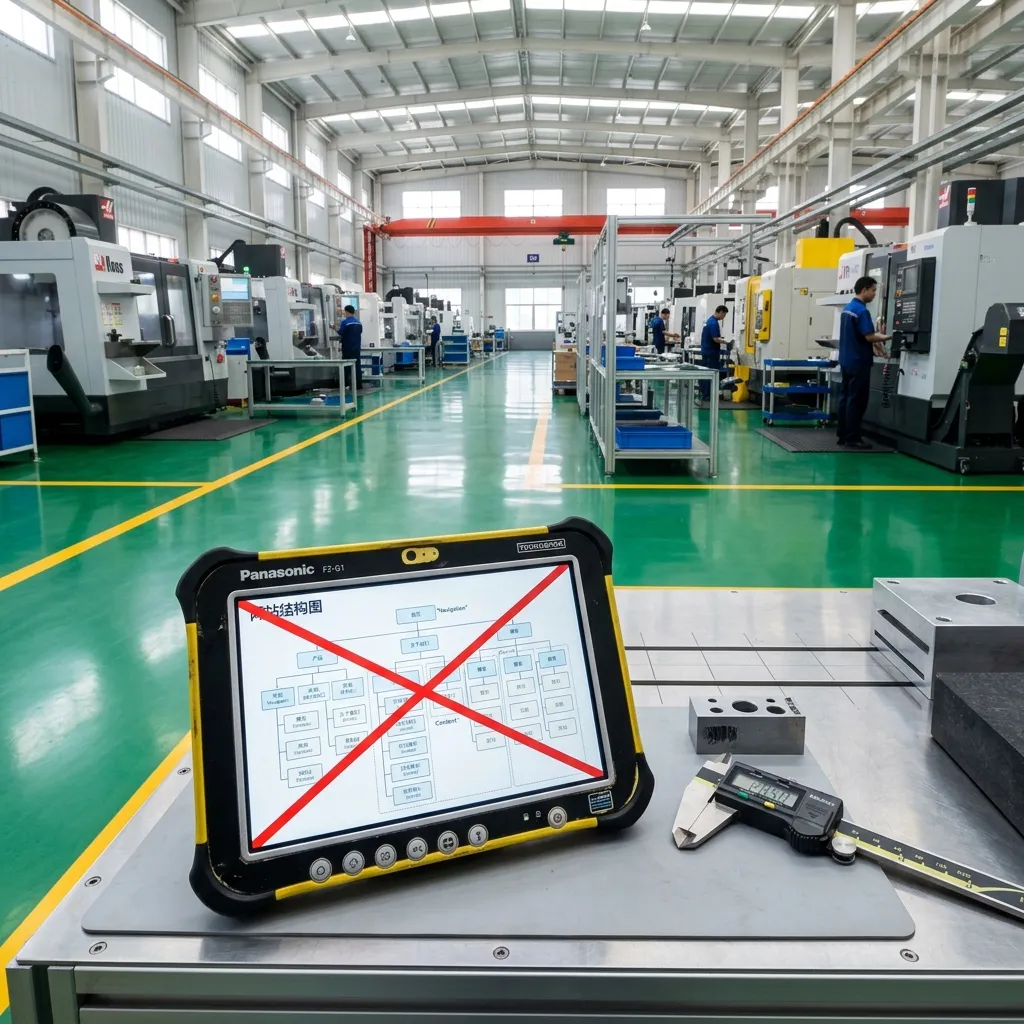
Design makes things look pretty. Structure determines how information flows. Most redesigns fail because the company kept the exact same broken page structure and just wrapped it in modern CSS.
If your old website grouped 50 completely different capabilities under one single “Services” dropdown, a new coat of paint won’t fix the fact that buyers can’t find what they need. If your old product pages were just tables of dimensions with no contextual application data, making the table corners rounded won’t magically convince a buyer to buy.
What structural improvement actually looks like
A true structural redesign starts from the buyer’s workflow.
Are they searching by industry? Build industry-specific hub pages that aggregate relevant case studies and capabilities. Are they evaluating your QA process? Pull your quality control data out of the generic “About Us” page and give it an entire dedicated section with high-res photos of your testing equipment.
You don’t need a prettier website. You need a website that is easier to buy from.