Two completely different business models
There is a dangerous misconception that building an independent B2B website is just like opening another platform store. This logic kills companies.
A B2B platform page is an open RFP (Request for Proposal). You exist in a directory. Buyers explicitly use the platform to force you into a bidding war against thousands of identical suppliers. They don’t want your brand; they want your lowest unit cost.
An independent export website is exactly the opposite. It is a filter. It exists to disqualify price-hunters and attract engineering buyers who value supply chain stability. On your independent site, the buyer is locked into your narrative.
The architecture of independence
A platform tries to simplify manufacturing down to a five-star rating and a “response time” badge. That is insulting to complex industrial engineering.
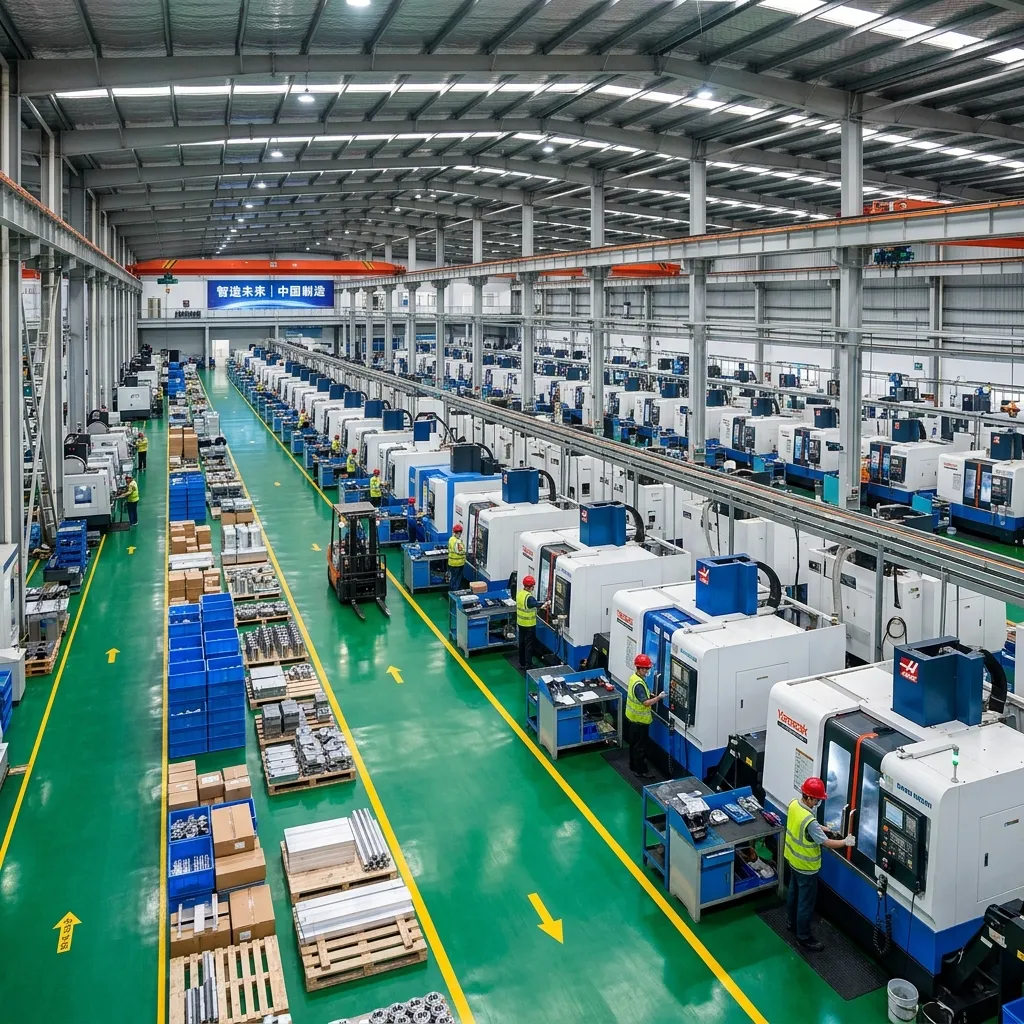
Your independent site structure must reflect actual manufacturing complexity. A platform restricts your case studies to a tiny text box. Your site allows you to build a 2,000-word deep-dive into how you reduced weight by 15% on a titanium forging project. A platform hides your facility behind stock templates. Your site forces the buyer to see your actual unedited shop floor.
When to use both
Smart manufacturers don’t necessarily abandon platforms. They use platforms to harvest easy, low-value commodity orders to keep machines running. But they direct all their high-margin, complex engineering work through their independent site. If the independent site is responsible for less than 50% of your net profit, you are working for the platform, not yourself.