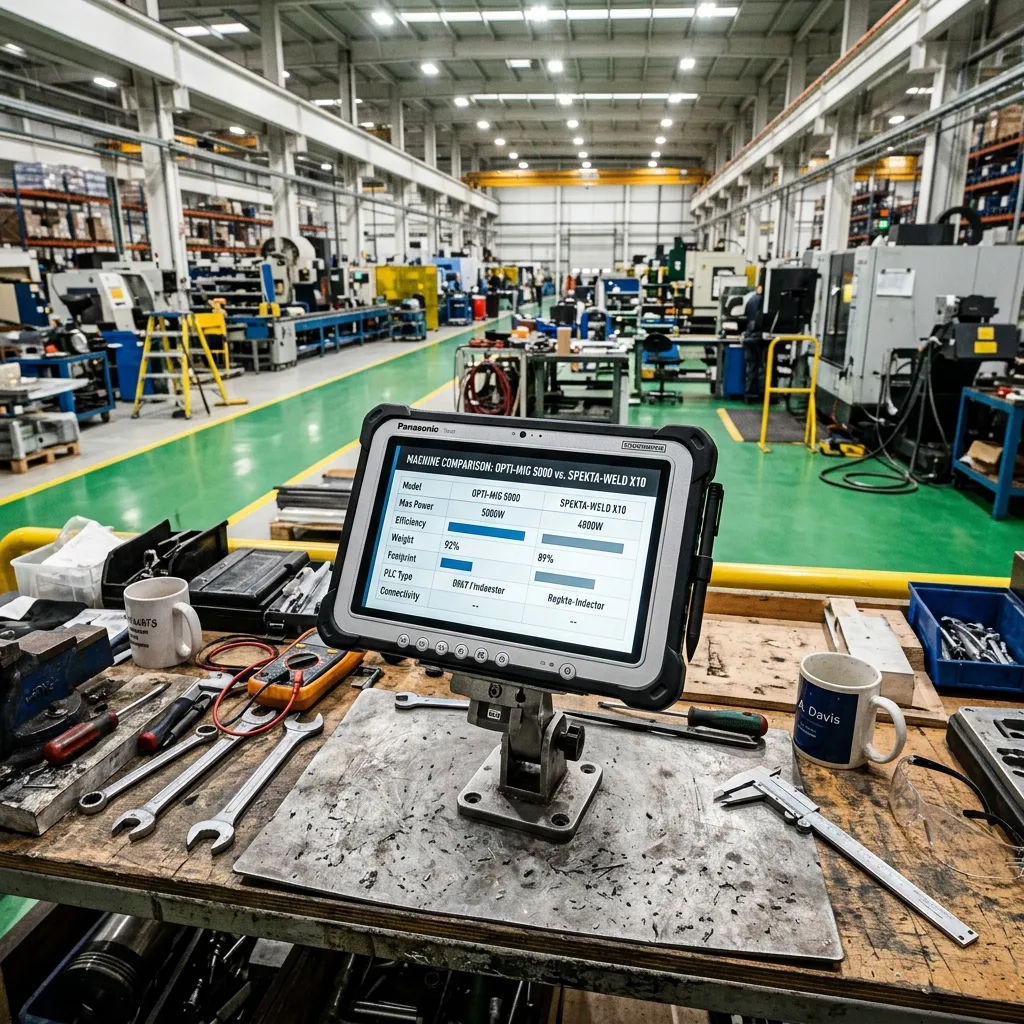
The buyer is comparing you. Do you want to control the narrative?
Many manufacturers are terrified of naming competitors, or even explicitly comparing technologies (e.g., “Die Casting vs CNC Machining”). They think it opens up the choice set too wide. The reality is brutal: the buyer already has five tabs open. They are evaluating alternatives whether you like it or not.
Comparison pages are aggressive, high-value assets because they intercept buyers at the exact moment of decision.
How to build a comparison that doesn’t feel rigged
If your comparison page is just a table where you get five green checkmarks and your competitor gets five red X’s, the buyer will roll their eyes and close the tab.
You build trust by admitting where you lose. If you are selling premium German-engineered gearboxes against low-cost alternatives, admit openly that your upfront capital cost is 40% higher. Then, clearly break down the total cost of ownership over a 5-year heavy-duty cycle, factoring in downtime and maintenance.
Provide actual decision frameworks. “If your application requires X and Y, choose the alternative. If your application risks catastrophic failure upon load, you must choose our method.” When you actively disqualify bad fits, the good fits trust you immensely.
Comparison pages capture the highest-intent traffic on the internet. By the time someone searches “A vs B,” they have already decided to pull out their wallet.