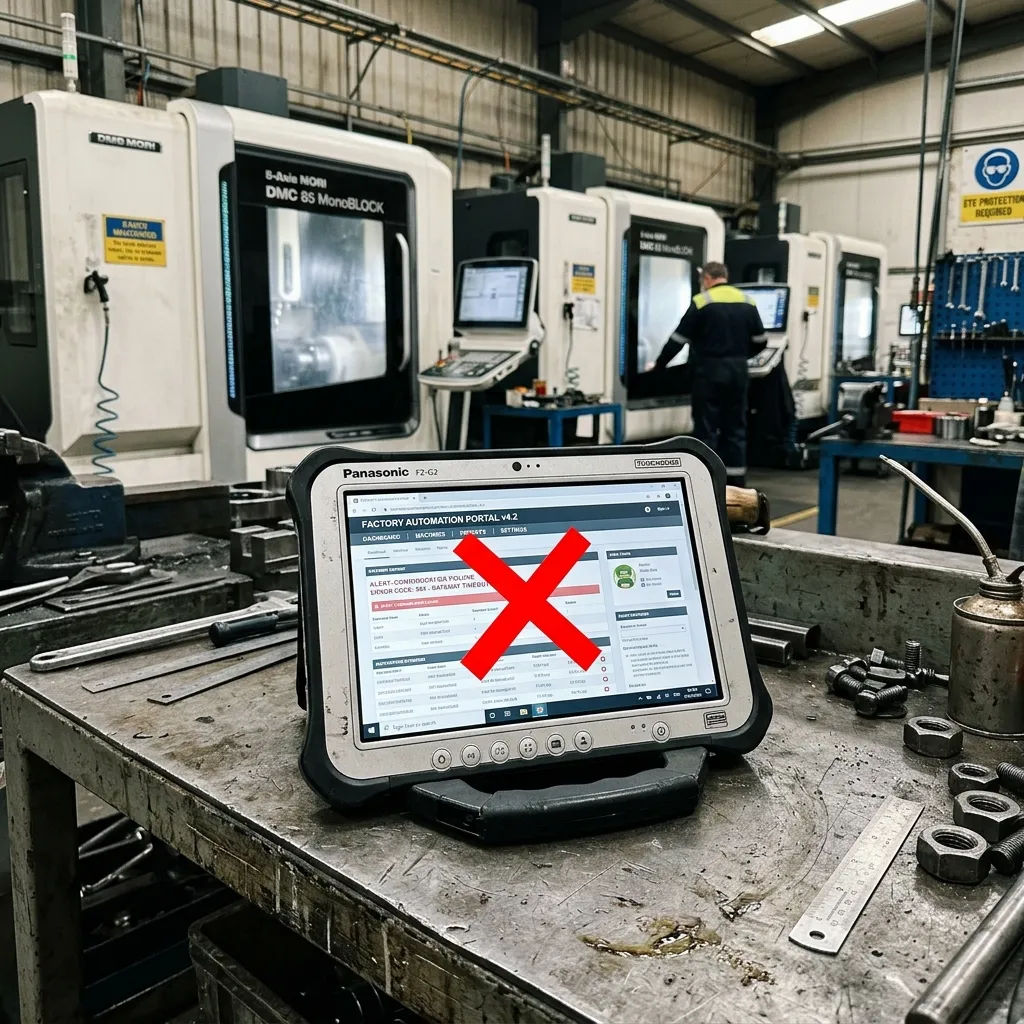
Introduction: An Expensive but Ineffective Digital Transformation
In early 2025, a CNC precision machining factory based in East China hit a massive growth bottleneck. As an enterprise with an annual export value exceeding $5 million and over 30 high-end 5-axis machining centers, they had long relied on B2B platforms like Alibaba and offline trade shows for overseas orders. However, with skyrocketing traffic acquisition costs and plummeting inquiry quality, the CEO decided to launch an “Independent Website Strategy.” They invested $8,000 to hire a traditional web design agency, expecting a premium official website to directly attract high-quality overseas buyers.
However, for the first three months after launch, despite pouring significant budget into Google Ads, the website’s bounce rate remained stubbornly high at over 85%. Even more devastating for the owner: over those 90 days, the company did not receive a single valid RFQ (Request for Quote). The occasional emails they did get were entirely spam, SEO pitches, or phishing attempts.
Core Diagnostics: The Fatal Flaws Behind “Premium” Designs
After receiving an urgent diagnostic request, the AutomakeSite team conducted a comprehensive autopsy of their independent website. We discovered that the root cause of this $8,000 failure was a complete disconnect from the true needs of industrial B2B buyers.
- Lack of Engineering-Centric Navigation: The homepage was filled with flashy full-screen videos and empty slogans like “We are the industry leader.” However, the core data that overseas engineers or procurement managers actually care about—such as machining tolerances (e.g., can they achieve ±0.002mm?), material ranges (aluminum, titanium alloys, stainless steel), surface treatment capabilities, and prototyping lead times—were completely missing. This instantly destroyed trust for data-driven buyers.
- Hollow Product Detail Pages (PDP): They treated CNC machining services like consumer goods. Product pages featured only a few blurry photos of finished parts and brief descriptions. There were no technical specification tables (Specs), no material certifications (like ISO9001/AS9100), no Quality Control (QC) reports, and no detailed application case studies.
- Anti-Human Form Design: The only conversion gateway, the “Get a Quote” form, inexplicably required prospects to fill out 15 mandatory fields, including the company’s founding year and a detailed postal code. This excessively burdensome design killed 90% of potential leads right at the first step.
The 180-Day Surgical Reconstruction Timeline
Addressing these fatal flaws, we initiated a 180-day deep reconstruction plan, transforming the website from a useless “digital brochure” into a 24/7 “RFQ harvesting machine.”
Month 1: Stripping the Fluff, Rebuilding the Foundation of Trust
We first removed the slow, conversion-killing carousel banners. The core area of the homepage was replaced with a concrete machining capability matrix (Milling, Turning, 5-Axis Machining). We drastically simplified the inquiry form to just four essential fields: Name, Corporate Email, Application, and Drawing Upload (CAD/STEP formats). Concurrently, we deployed SSL certificates sitewide and optimized mobile load speeds to under 1.5 seconds.
Month 2: Engineering-Grade Armament for PDPs
For every specific segment of CNC machining, we completely rewrote the service pages. We integrated detailed tolerance standard tables, comprehensive lists of machinable materials, and corresponding surface treatment options (e.g., Anodizing, Hard Anodizing, Sandblasting). We also added a dedicated “Quality Control” page, featuring actual photos of Coordinate Measuring Machines (CMM) and spectrometers, replacing the previously purchased fake stock photos.
Months 3-4: Intercepting Long-Tail Keywords with a Deep FAQ System
By digging into the search intent of overseas buyers, we found that massive high-conversion traffic was hidden in specific queries. Consequently, we deployed deep FAQ cluster pages. For example: “What is the typical lead time for CNC precision parts imported from China?”, “Do you accept First Article Inspection (FAI) prototyping?”, and “What specific experience do you have machining aerospace-grade titanium?” Embedded with FAQPage Schema structured data, these pages were rapidly indexed by Google, intercepting precise long-tail search traffic.
Months 5-6: Traffic Explosion and High-Quality Conversions
As the technical robustness of the pages improved and Google rankings steadily climbed, organic traffic exploded in month 5. More importantly, the traffic intent became incredibly precise. The bounce rate dropped to 42%, and the average time on page reached an impressive 3 minutes and 20 seconds. By month 6, the CNC factory not only retained its legacy clients but also began consistently receiving 15-20 high-quality RFQs per month—complete with actual CAD drawings—achieving a staggering order conversion rate of 12%.
Before and After: Core Data Comparison
- Website Bounce Rate: 88% Before → 42% After
- Average Time on Page: 0:45 seconds Before → 3:20 seconds After
- Average Monthly Quality RFQs: 0 Before → 18 After
- Drawing Upload Rate: Inquiries containing CAD/STEP files increased to 75%
Is Your Website Facing the Same Issues?
Many export enterprises spend top dollar building a website, only to end up with a silent, dead site. The essence of industrial B2B web development isn’t about how flashy the design is; it’s about who can answer overseas buyers’ engineering questions the fastest and most professionally, establishing unbreakable trust.
Don’t let your independent website stay dormant. Give your B2B export website a comprehensive health check today.
Get AutomakeSite’s Deep Website Diagnostic Service Now, uncover the core reasons your website isn’t converting, and kickstart your engine for high-quality inquiries!