Introduction: An Injection Mold Exporter Stuck in the Homogenization Trap
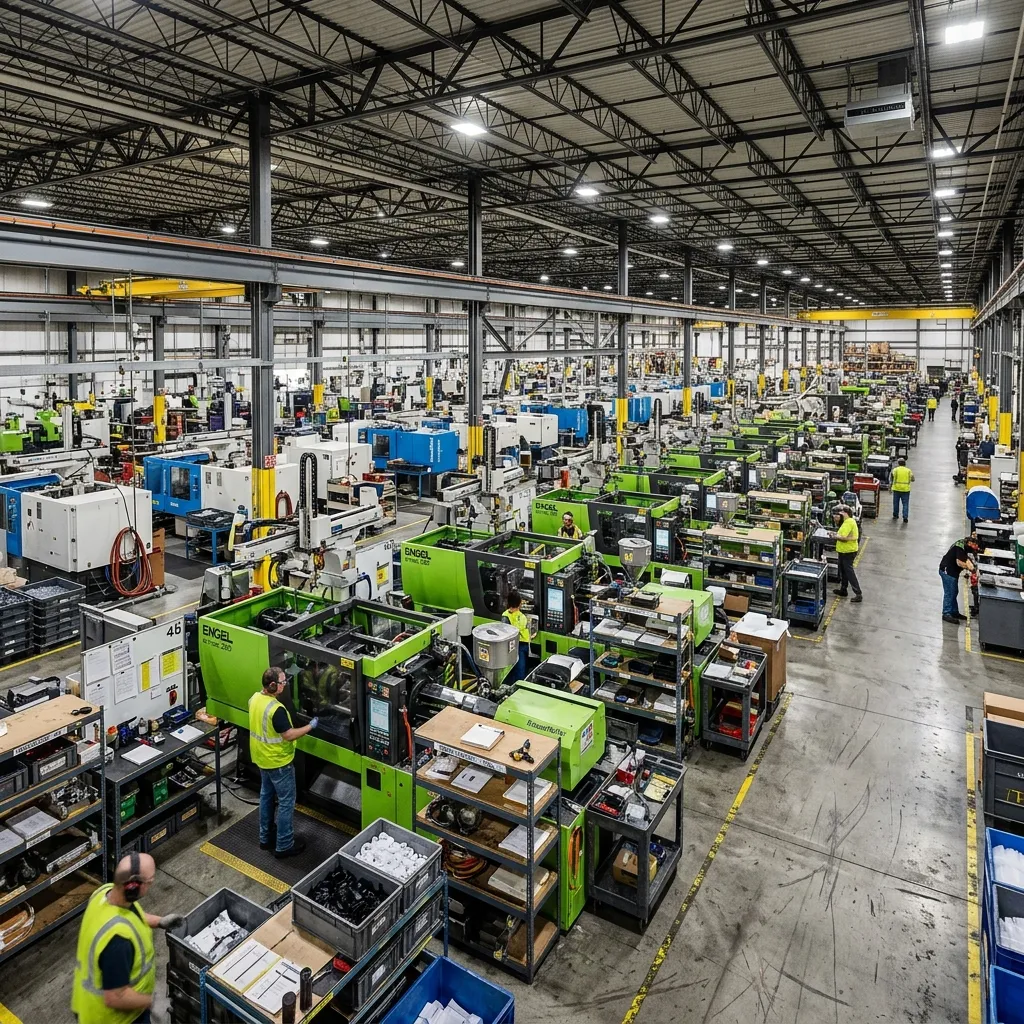
The injection molding industry is a classic “custom non-standard” B2B export sector. Unlike standard consumer goods, when overseas buyers look for mold suppliers, they aren’t buying a ready-made product; they are purchasing “engineering manufacturing capability” and “project management competence.” In 2025, a Dongguan-based injection mold factory approached us. They possessed top-tier Makino CNC equipment and a highly experienced engineering team, but six months after launching their new independent website, the conversion rate was abysmal. Numerous overseas buyers visited their site, glanced at the Product Detail Pages (PDP), and silently closed the tab, never to be heard from again.
The Pre-Reconstruction PDP: Why Did Buyers Leave Instantly?
We conducted a meticulous audit of the mold factory’s old PDPs and found fatal flaws typical of outdated “Chinese export web thinking.” A representative page prior to the redesign looked like this:
- Extremely Generic Titles: “Custom Plastic Injection Mold.” This title yields tens of millions of results on Google; it offers zero differentiation and completely fails to highlight the mold’s application or technical challenges.
- Thin Visuals Lacking Detail: The page featured only two white-background photos of the finished mold. There were no mold opening GIFs, no Moldflow analysis screenshots, and no close-ups of the core mold steel (like S136 or P20). Buyers had absolutely no way to judge the mold’s precision.
- Severe Lack of Technical Specifications: There was zero information regarding mold life (e.g., SPI Class 101, 1,000,000 shots), cavity count, hot runner brands (like YUDO or Husky), or ejection mechanisms. For an overseas injection molding engineer, without this data, your page is essentially a blank sheet of paper.
- Self-Indulgent Company Intros Overshadowing the Product: The bottom half of the page was dominated by photos of the boss shaking hands with foreigners and the company reception desk, rather than outlining the project delivery workflow or Non-Disclosure Agreement (NDA) commitments.
Surgical Reconstruction: Crafting “Engineering-Grade” Detail Pages
To give the website powerful “retention capability” and conversion strength, the AutomakeSite team tore down and completely rebuilt the PDPs. We selected a typical “Automotive Headlight Lens Injection Mold” page for deep reconstruction.
Step 1: Precise Long-Tail Titles and Direct Pain Point Targeting
We changed the broad title to: “Automotive Headlight Lens Injection Mold: SPI Class 101, High Polish Finish”. This title directly locked onto the target audience (automotive parts buyers) and laid out the technical trump cards. Above the fold, we explicitly stated: “To meet the high light transmittance requirements of PC materials, we provide mold solutions achieving optical-grade A0 polish, ensuring stable production for over one million shots.”
Step 2: Data Visualization and Deep Disclosure
We restructured the page’s information architecture, upgrading mere “parameters” into a comprehensive “technical data library.” We introduced clean table designs clearly listing:
- Mold Base: LKM Standard Base
- Cavity & Core Steel: ASSAB S136 (HRC 48-52)
- Runner System: Hot Runner (YUDO 4 drops)
- Estimated Cycle Time: 45 Seconds
- Mold Life: 1,000,000 Shots
Additionally, we included a dedicated module displaying sanitized screenshots of our DFM (Design for Manufacturability) reports, proving to buyers that we possess not just machining capabilities, but upstream mold design optimization expertise.
Step 3: Transparent Project Management and Risk Control
The greatest fears of European and American buyers are “poor communication” and “project delays.” At the bottom of the page, we added a clear Timeline module, illustrating every milestone from the Kick-off Meeting, DFM Approval, Rough Machining, and T1 Trial, all the way to final shipment. We also prominently featured a “Download Standard NDA” button, alleviating client concerns over intellectual property leaks.
Astonishing Post-Reconstruction Data Feedback
After two months of Google re-indexing and traffic fermentation, the redesigned PDPs demonstrated shocking conversion power:
- Time on Page: Surged from 35 seconds to a massive 4 minutes and 15 seconds, indicating that visitors were actually reading the technical specs.
- Inquiry Conversion Rate: The conversion rate for this specific page jumped from 0.2% to 3.8%.
- Drastically Reduced Communication Costs: Inquiries were no longer blind, mass-mailed price requests. Instead, buyers arrived with specific 3D drawings and detailed parameter requirements, allowing the sales team to enter deep technical discussions immediately.
Does Your Product Page Look Like a Blank Sheet of Paper?
If your export website’s product pages consist only of a few images and brief specs, you are bleeding high-intent clients for nothing. In the industrial B2B sector, deeply professional content is the ultimate sales pitch.
Get AutomakeSite’s Deep Website Diagnostic Service Now. Let our expert team perform a full-scale audit on your product pages and help you craft engineering-grade content that actually wins orders!