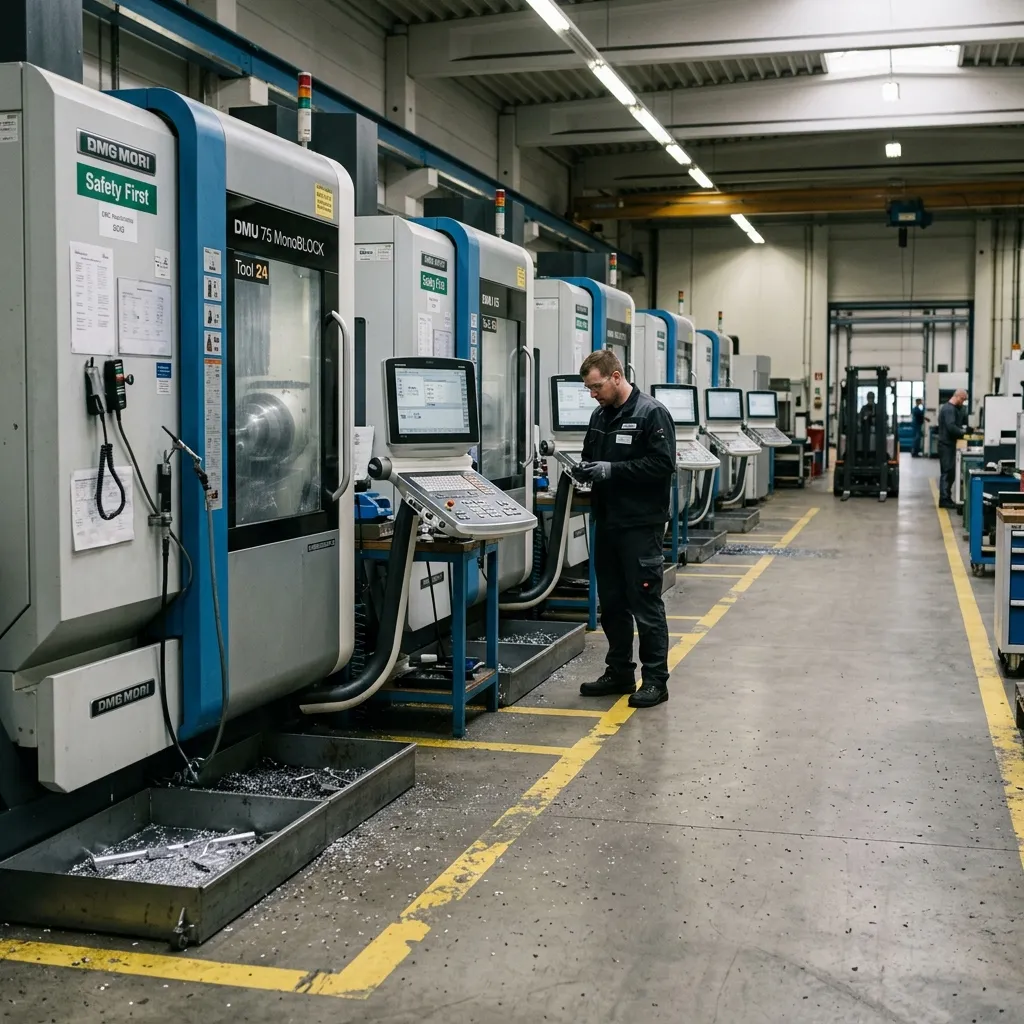
A CNC machining buyer does not trust a supplier because the website says “high precision.”
Every CNC website says that. The buyer wants to know what precision means in your shop, for which material, at what size, under what inspection process.
CNC RFQs are risk-heavy
A serious buyer may be sourcing components for medical devices, robotics, aerospace fixtures, industrial equipment, or electronics. A wrong supplier means late delivery, rejected parts, assembly failure, or compliance problems.
Your website should reduce that risk.
Why buyers leave CNC websites
No tolerance context
Writing “tight tolerance” is not enough. Show realistic tolerance ranges and explain when tighter tolerance requires review.
No material range
List aluminum, stainless steel, brass, copper, plastics, titanium, or other materials only if you can support them. Include notes on machinability and finishing.
No inspection proof
Buyers need to see CMM, height gauges, micrometers, surface roughness testers, inspection reports, and quality workflow.
No drawing upload path
If the buyer cannot upload STEP, DXF, PDF, or 3D files easily, the RFQ path is broken.
What a stronger CNC website includes
- process capabilities;
- machine list;
- tolerance ranges;
- material pages;
- surface finish options;
- inspection equipment;
- industry applications;
- anonymized part examples;
- drawing upload RFQ form;
- NDA note for sensitive projects.
Next step
Run /website-diagnostic-engine/ to see whether your CNC site is losing RFQs because buyers cannot verify capability before contacting you.
—
Not sure where your website is losing buyers? Run a free diagnostic — it takes 2 minutes.
Start Free Diagnostic