Platform vs Independent Website for Exporters: Which One Supports Long-Term Growth?
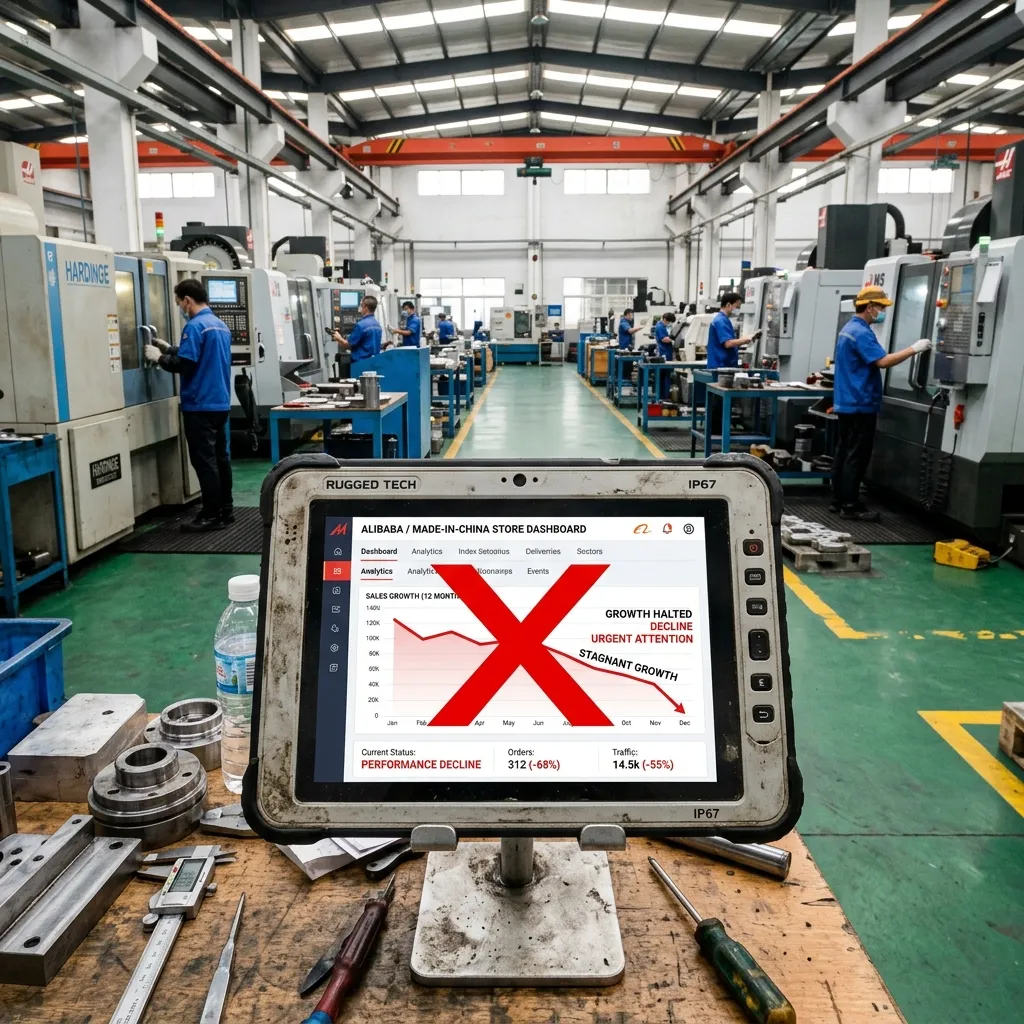
Most exporters frame this as a channel question. That is the wrong framework entirely. The real issue is asset ownership, compounding value, and long-term brand equity. A platform brings demand but keeps you in rented space. An independent website creates a business asset you control — one that compounds over time through SEO, trust, and direct buyer relationships.
What platforms are actually good at
Platforms are undeniable accelerators for specific operational goals. They deliver quick market access, early demand testing, fast product validation, and a low barrier to entry. If your company is early-stage or sells standardized commodities where price is the only differentiator, that speed is useful.
But speed is not ownership. The platform’s algorithm is designed to keep the buyer on the platform, constantly surfacing cheaper alternatives exactly when they are evaluating your catalog. You are renting visibility in an inflationary closed ecosystem.
The structural limitations of a rented platform
A platform cannot help you own the full buyer journey from discovery to evaluation to decision. By design, it limits brand depth, restricts content structure, and blocks advanced technical explanation.
You cannot deploy technical comparison pages, educational topic clusters, or comprehensive case study repositories. You are forced into their template. More critically, platforms actively block direct relationship ownership — obscuring contact details and monitoring communication to prevent off-platform transactions.
In practice, you may be visible, but you are not memorable. You are another row in a spreadsheet of 50 suppliers.
Why an independent website acts as a growth asset
An independent website gives you the operational space to do the heavy lifting platforms cannot execute. You can deeply explain product categories, build authoritative topic clusters, create dedicated credibility pages, and publish detailed case studies without competing against “Similar Products” popups.
It captures highly specific long-tail search intent that platform internal search engines completely ignore. It serves as a 24/7 digital sales engineer. This is why top-tier industrial exporters invariably use their independent website as the ultimate brand and trust layer of the business.
The hidden P&L costs of platform-dependency
Platform-only businesses suffer three severe hidden costs.
First, weak brand memory. Buyers purchase from you but remember the platform. When repurchase time comes, they return to the platform search bar and re-compare.
Second, margin compression. When every supplier is displayed symmetrically in the same UI, the only differentiator becomes price. This destroys margin.
Third, zero compounding ROI. Platform traffic is rented. Stop paying their PPC and subscription fees, and your lead flow drops to zero. Every fiscal year starts over. There is no cumulative SEO traffic base.
Building the hybrid B2B acquisition engine
For most industrial exporters, the best strategy is intentionally layering both models.
Use the platform surgically: fast exposure, testing demand for new product lines, and handling short-cycle transactional opportunities.
Use the independent website structurally: establish brand authority, secure foundational SEO visibility, build undeniable trust for high-value contracts, and generate long-term compounding inbound inquiries that no competitor can bid against. The website is your permanent digital headquarters.
The bottom line
If you only need transactional flow and are willing to compete solely on price, a platform may be sufficient. If you need a business asset that compounds in value, protects margins, and acts as a defensive moat against competitors, an independent website is not optional — it is a strategic necessity.
Ready to reduce platform dependency and build your own growth asset?
Book a Website Diagnosis