In a rush to produce more blog posts, many industrial manufacturers have turned to generative AI to write their website content. The result? A massive drop in organic traffic and zero new RFQs. Google’s recent algorithm updates have explicitly targeted low-value, mass-produced AI content. For highly technical B2B sectors, using ChatGPT to write generic overviews of “The Benefits of Injection Molding” is a fast track to algorithmic penalty. Here is why AI content is destroying industrial SEO and how you can fix your content pipeline before you lose your remaining market share.
The Problem with AI-Generated Engineering Content
Generative AI models are predictive text engines; they synthesize what has already been written. When you ask AI to write an article about sheet metal fabrication, it produces the exact same average, high-level summary that your competitors are generating. This results in zero information gain.
Furthermore, procurement managers and engineers can spot AI content immediately. It is usually devoid of specific tolerances, proprietary processes, and real-world failure analysis. It reads like a brochure rather than a technical manual.
Recognizing AI Content vs. Expert Content
| Trait | AI-Generated Content | Expert Engineering Content |
|---|---|---|
| Specificity | Uses broad terms like “high quality” and “efficient.” | Uses exact metrics like “CPK > 1.33” or “Surface finish 16 Ra.” |
| Problem Solving | Lists theoretical problems without solutions. | Details actual case studies of tooling adjustments and yield improvements. |
| Tone | Enthusiastic but hollow. Uses transition words heavily. | Direct, factual, and data-driven. |
Checklist to Purge and Replace AI Content
If your traffic has tanked due to mass-produced content, you need an aggressive remediation strategy:
- Audit Your Blog: Identify all posts written by AI. Look for generic titles, lack of internal data, and repetitive phrasing.
- Delete or Consolidate: If an article provides zero unique value, delete it and set up a 301 redirect. Alternatively, consolidate multiple thin articles into one comprehensive, engineer-vetted guide.
- Inject Real-World Data: Take an AI draft and have your lead engineer inject specific material data, equipment capabilities, and project constraints. Review industrial website examples to see this in practice.
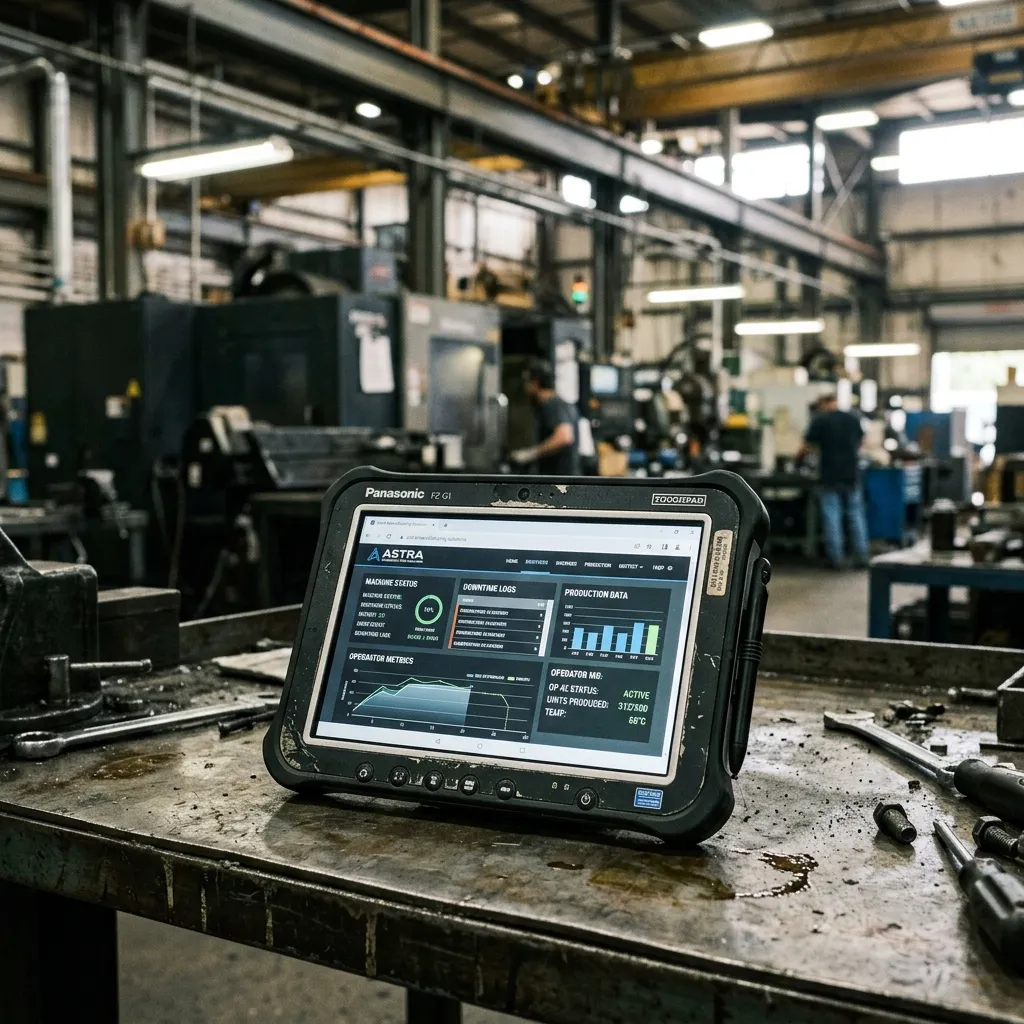
- Add Original Visuals: Replace AI-generated or stock images with actual photos of your factory floor, tooling, and inspection reports.
Content Must Drive Trust, Not Just Word Count
The goal of your website is not to host a high volume of articles; it is to convince a buyer that you are a reliable manufacturing partner. Quality, depth, and technical accuracy will always outperform volume in the B2B industrial sector.
Not sure if your website meets the 2026 standard?
Run our free 30-second website check.
Free Website Check