In March 2026, Google rolled out a major core update that fundamentally changed how industrial B2B websites are evaluated. If you are a factory owner or marketing director, you might have noticed a sudden drop in organic inquiries. This update targets generic, AI-generated content and rewards sites that demonstrate genuine manufacturing expertise, original data, and clear conversion paths. The era of uploading a PDF brochure and expecting RFQs is over. In this guide, we break down exactly what changed in Google’s ranking systems, why traditional industrial SEO strategies are failing, and the concrete steps you must take to recover your traffic and start generating qualified engineering leads again.
Why Your Industrial Website Might Be Losing Traffic
According to Google Search Central documentation, the March 2026 Core Update was designed to surface the most helpful, reliable, and user-centric content. For industrial manufacturers, this means Google is actively demoting pages that read like generic corporate wikis. Procurement managers and engineers do not want to read dictionary definitions of “what is CNC machining.” They want to know your tolerances, your material capabilities, and your quality control processes.
If your website relies on AI-generated content or outdated SEO tactics, you are likely losing visibility to competitors who provide deeper technical value.
The Shift: From “Informational” to “Experiential” Content
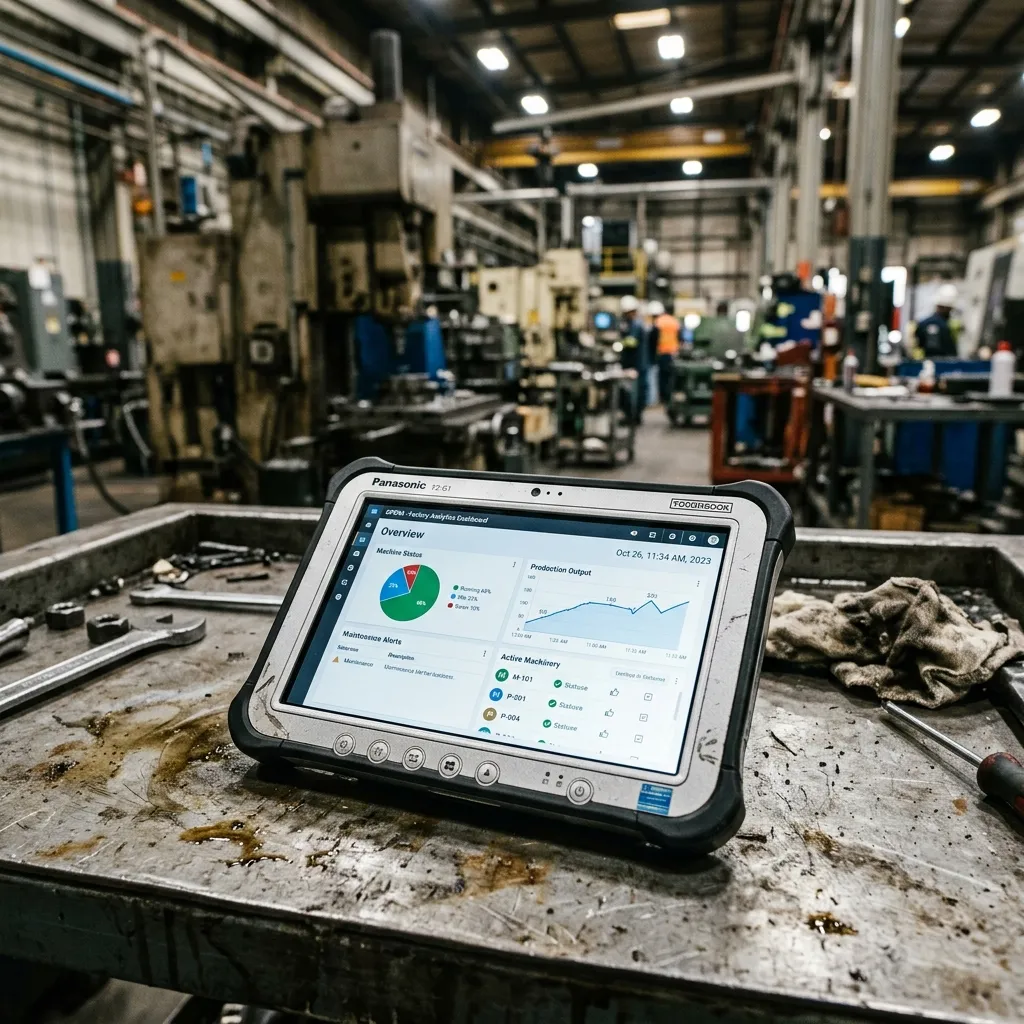
Google’s systems now heavily weight first-hand experience. In the B2B industrial space, this translates to showing the reality of your factory floor. When an engineer searches for “custom sheet metal fabrication capabilities,” they are evaluating your operational capacity, not your ability to write a high-school essay on sheet metal.
Sites that feature actual factory photos, specific equipment lists, and detailed technical specifications are ranking higher than those with stock photos and vague claims of “high quality.” For more insights, review our industrial website examples.
Before and After: The 2026 Ranking Factors
| Ranking Factor | Before 2026 Update | After March 2026 Update |
|---|---|---|
| Content Depth | High word counts defining basic industry terms | Technical specifications, tolerances, and engineering data |
| Visuals | Stock photos of generic factories | Original photos and factory tour videos |
| Author Authority | Anonymous admin posts | Content vetted by engineers or production managers |
| User Experience | Slow loading, PDF-heavy pages | Fast, responsive mobile experience with clear technical navigation |
Actionable Checklist: Adapting to the 2026 Algorithm
To align with the new algorithm and recover lost rankings, follow this checklist:
- Audit Existing Pages: Identify and rewrite any page that reads like a Wikipedia entry. Replace generic text with specific details about your production process.
- Add Original Media: Remove all stock photography. Upload actual pictures of your machinery, raw materials, and finished products.
- Publish Engineering Data: Include tables of materials you work with, machine tolerances, and compliance certifications (e.g., ISO 9001).
- Streamline Navigation: Ensure visitors can find your capabilities and contact information within two clicks from any page. Consider reviewing B2B website best practices.
- Integrate Clear Conversion Paths: Make it simple for buyers to request a quote. If you need structural help, explore our B2B website strategy services.
The Engineering Perspective Matters
When procurement teams evaluate a supplier, they are looking for risk reduction. Your website is your digital sales engineer. It must answer the technical questions that a buyer has before they even pick up the phone. If your site fails to provide this level of detail, Google’s 2026 update ensures your competitors will be found first.
Not sure if your website meets the 2026 standard?
Run our free 30-second website check.
Free Website Check