Buyers don’t search for machines. They search for results
There is a massive structural flaw in most manufacturing websites: they mix up what the factory sells with what the buyer intends to buy. Let’s make the distinction brutal and clear.
A Product Page is for someone who already knows exactly what widget they need. A Capability Page is for someone who has a problem and needs to know if your factory has the machinery and skill to solve it.
The Anatomy of an Industrial Product Page
When a buyer lands on a specific product page—like a “200W Planetary Gearbox”—they are in the final stages of evaluation. Do not waste their time with “We are dedicated to excellence.”
Give them the raw data immediately. Dimensions, thermal limits, IP ratings, CAD downloads, and minimum order quantities. They are comparing your spec sheet against three others on their monitor right now. The manufacturer with the cleanest data and easiest drawing download wins the shortlist.
The Anatomy of a Capability Page
When a buyer searches for “Precision 5-Axis CNC Machining Services,” they don’t want a dimension table. They are evaluating your factory’s competence to handle their custom designs.
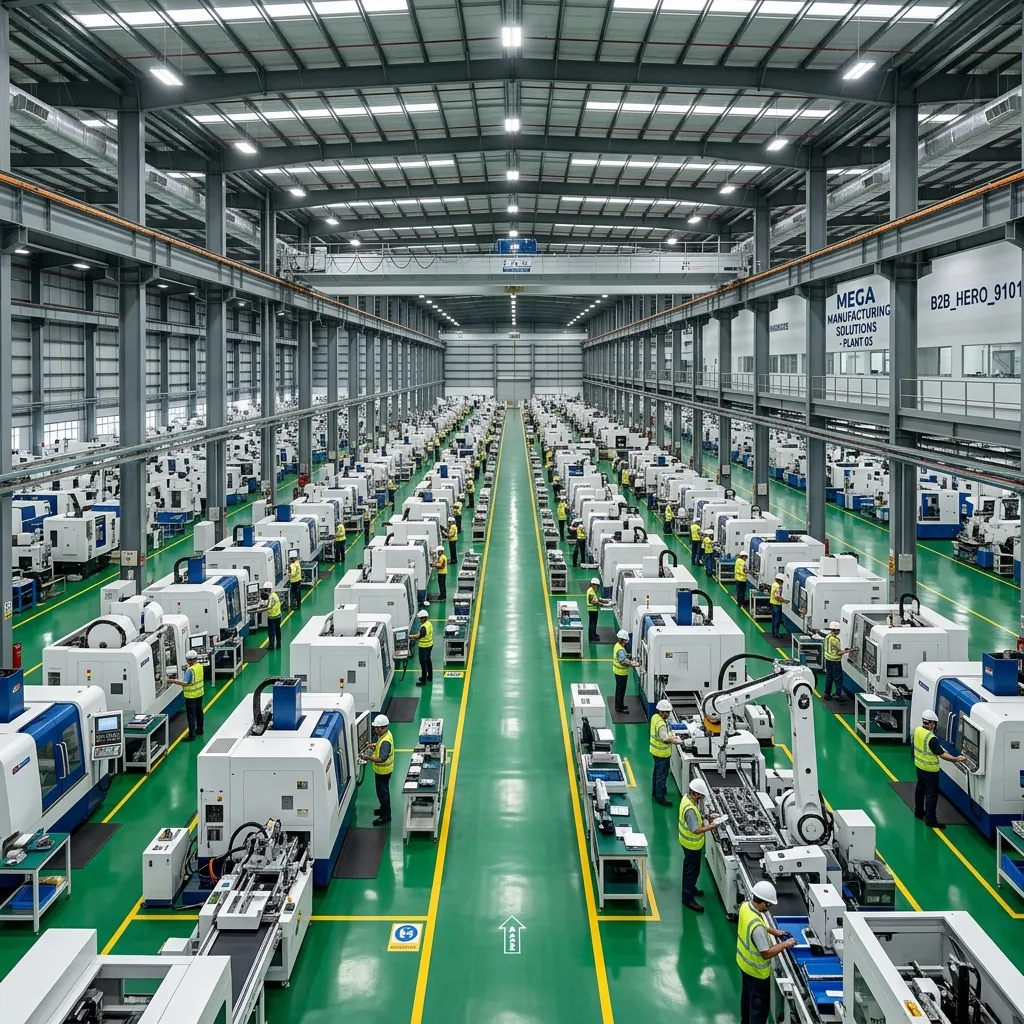
Your Capability Page needs to scream operational superiority. List the exact models of machines on your floor (e.g., “Matsuura 5-axis centers”). Detail your surface finish capabilities, your typical lead times for prototypes versus production runs, and the exact materials you are comfortable cutting. Follow it up with a case study demonstrating how you solved a complex geometry problem.